 Tree removal · Greensboro, NC
We handle tree removal, trimming, and stump grinding throughout Greensboro and nearby High Point, Burlington, and Kernersville.
Call (743) 215-4532 Or get a free quoteGreensboro sits in the heart of the Piedmont at about 900 feet elevation, where red clay soil and humid summers create conditions that help trees grow fast but also make them vulnerable during storms. The clay doesn't drain well, so after heavy rain events the soil stays saturated and trees with shallow roots can topple. We work with homeowners across Fisher Park, Lindley Park, Adams Farm, and other neighborhoods to remove hazardous trees, clear storm damage, and keep mature hardwoods healthy.
The area gets a mix of weather that keeps us busy year-round. Summer thunderstorms with high winds knock down weak branches and split trees, while ice storms every few years cause major damage to large oaks and pines. Many neighborhoods in Greensboro have homes built between the 1940s and 1970s with mature trees planted decades ago that are now reaching the end of their lifespan or growing too close to houses and power lines.
Tree work in Guilford County requires awareness of local conditions. The sandy loam and clay soil means root systems spread wide but don't always anchor deep. We also work with homeowners on permit requirements when needed, especially for larger removals near property lines or in historic districts. Our crew knows the local tree species, from the sweetgums that drop those spiky balls to the Bradford pears that split apart in storms.
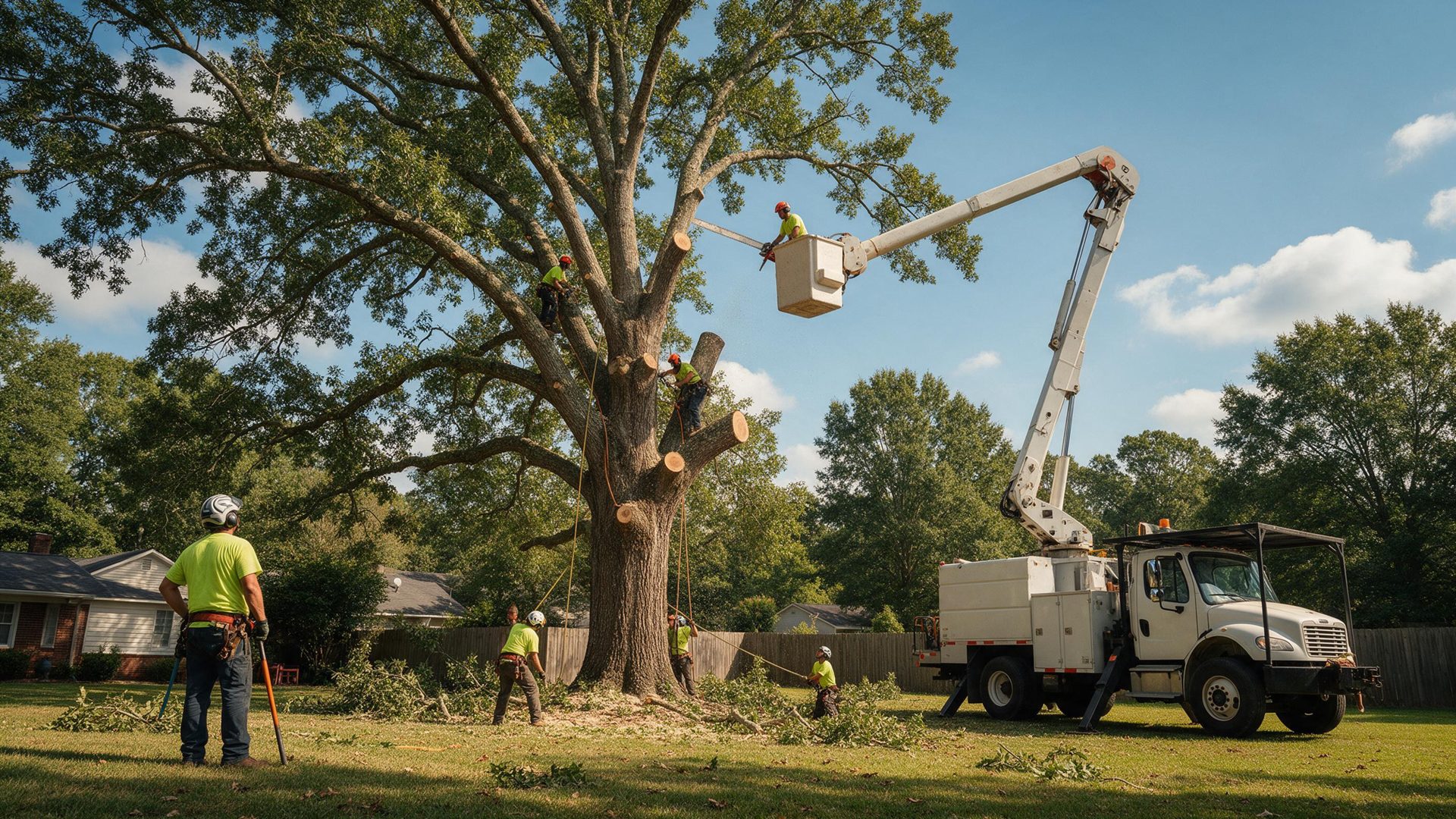
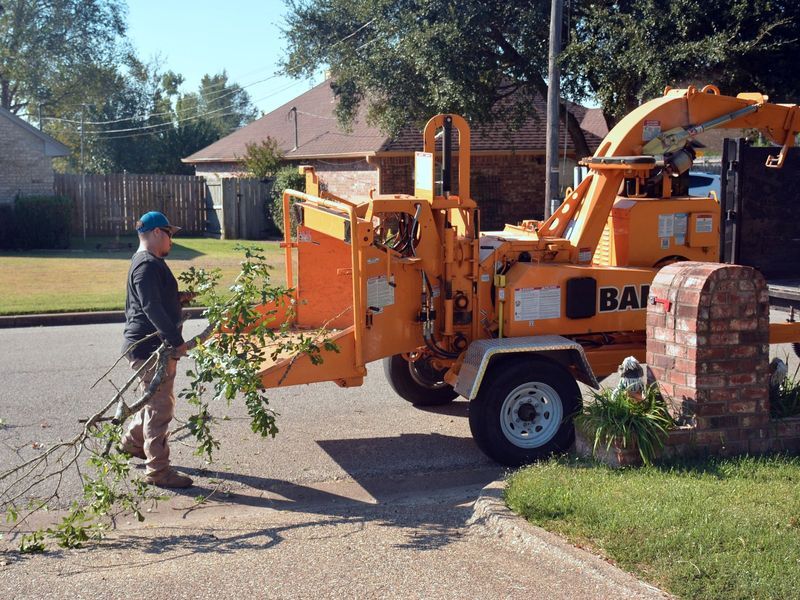
We remove trees of any size, from small ornamentals to large oaks over 80 feet tall. Whether the tree is dead, diseased, leaning toward your house, or just in the way of a project, we take it down safely and clean up all the debris.
When a tree comes down on your roof or blocks your driveway after a storm, we respond quickly to get your property safe and accessible again. We've handled cleanup after major ice storms and summer wind events throughout the Triad.
Regular trimming removes dead wood, improves tree health, and keeps branches away from your roof and power lines. We prune to maintain the natural shape of the tree while reducing the risk of storm damage.
After a tree comes down, the stump sits there taking up space and sprouting new growth. We grind stumps below ground level so you can replant grass, put in a garden bed, or just have a flat, usable yard again.
If you're preparing a lot for construction or clearing overgrown areas, we remove trees, brush, and undergrowth to give you a clean slate. This work is common in areas like Summerfield and Oak Ridge where older wooded lots are being developed.
Not sure if a tree needs to come down or can be saved? We assess the tree's condition, look for signs of disease or decay, and give you honest advice about your options and what makes sense for your property.
Our crew has worked throughout Guilford County and understands how the red clay soil and local weather patterns affect trees. We know which species do well here and which ones tend to cause problems as they age.
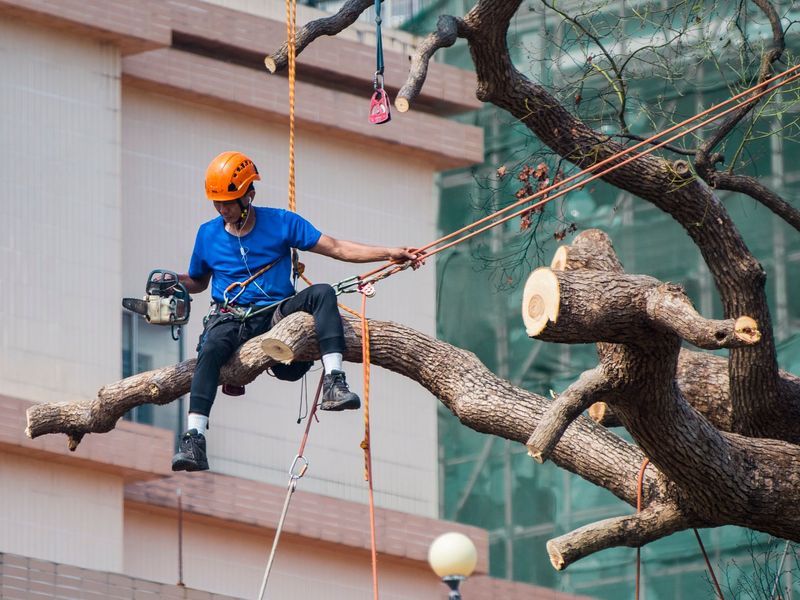
Many Greensboro neighborhoods have large trees close to homes, some dating back 50 or 60 years. We use rigging and ropes to lower sections carefully, protecting your house, fence, and landscaping during the removal.
We give you a clear estimate after looking at the job in person. The price depends on tree size, location, and access, but we spell it all out before we start so you know what to expect.
When we finish, your yard is clean. We haul away all wood and brush, rake up the small debris, and leave the area ready to use. You won't be picking up sticks for weeks after we leave.
Greensboro's location in the Piedmont means we deal with red clay soil that holds water and doesn't drain well after storms. Many of the older neighborhoods like Fisher Park, Lindley Park, and Irving Park have houses built between 1910 and 1960 with mature trees that were planted decades ago and are now showing their age. The combination of clay soil and shallow root systems means trees can uproot during heavy rain and wind events, especially when the ground is saturated. Ice storms have hit the area hard over the years, with significant damage in 2002 and 2014 when heavy ice accumulation snapped branches and brought down trees across the city.
If you're removing a large tree or multiple trees in Greensboro, you may need to check with the city about permits, particularly in historic districts or for trees over a certain size near property lines. The local climate is humid subtropical with hot summers that stress trees and occasional severe thunderstorms that bring high winds. We also see damage from tornadoes that have touched down in Guilford County over the years. Most residential tree work doesn't require complicated permits, but we help homeowners understand what's needed before starting the job.
Tree removal prices in Greensboro typically run between $400 and $1,200 for most residential jobs, though large trees over 60 feet or difficult removals can cost $1,500 to $3,500 or more. A small tree under 30 feet in an open area might cost $300 to $600 to remove, while a large oak or pine next to your house requiring careful rigging can run $2,000 to $4,000. Stump grinding usually adds $100 to $400 depending on stump size. The final price depends on tree height, trunk diameter, how close it is to structures, access for equipment, and whether the tree is dead and brittle or still green and heavy. Emergency storm work sometimes costs more because of the urgency and extra safety concerns. We give you an exact price after seeing the tree in person.
Based around Greensboro, NC, we also take jobs in these nearby towns. Put your town on the form and we will tell you right away if we can help.
Most residential tree removals in Greensboro don't require a permit if the tree is on your property and you're the owner. However, some restrictions apply in historic districts and for very large trees, and you should always check if the tree is near a property line or if there are HOA rules. We can help you figure out if your specific situation needs any approval before we start.
A typical residential tree removal takes anywhere from a few hours to a full day depending on size and complexity. A small tree in an open yard might take 2 to 3 hours including cleanup, while a large oak close to your house could take 6 to 8 hours or require a second day. We'll give you a time estimate when we quote the job.
We haul away all the wood and debris as part of the job. If you want to keep some of the larger logs for firewood, just let us know and we'll cut them to length and stack them where you want. Otherwise everything gets chipped or taken to a disposal site.
If the tree is tangled in the main power lines running to your house or along the street, the utility company needs to handle that part or de-energize the line first. For branches just near the lines, we can often work safely around them. We assess each situation and tell you honestly what we can do and when you need to call Duke Energy.
The red clay soil here doesn't drain well, so after heavy rain the ground gets saturated and root systems lose their grip. Trees with shallow roots or decay in the trunk are especially vulnerable during summer thunderstorms and ice storms. Many older neighborhoods have mature trees that are past their prime, and species like Bradford pears and pines with weak wood split apart in high winds.
A tree that's leaning significantly or has started leaning recently is usually a safety concern and should be evaluated right away. Some trees grow at an angle naturally and are stable, but if the lean is new or increasing, or if you see soil heaving at the base, that tree is at risk of falling. We can come look at it and tell you whether it needs to come down or can be monitored.
Tell us what you need and where. We usually reply within one business day. A photo helps us give you a faster, more accurate quote.
No obligation and no pressure.
 GREENSBORO